
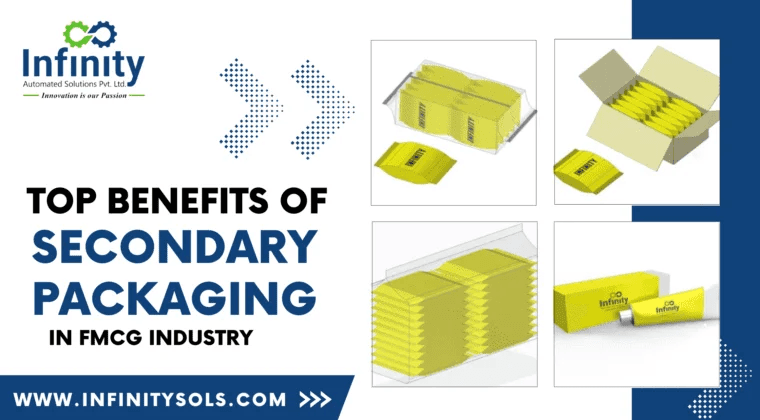
The Crucial Role of Secondary Packaging in FMCG in 2026
From automation-ready cartons to eye-catching shelf displays and e-commerce-friendly packs, secondary packaging is now a strategic driver of sales, efficiency, and sustainability. Let’s explore why FMCG brands in 2026 can’t afford to overlook it.
Why Secondary Packaging Matters More Than Ever
The FMCG industry thrives on high volumes, quick turnarounds, and razor-thin margins. Recent insights suggest that over 65% of supply chain losses are linked to product damage, inefficient packaging, or logistics incompatibility. That’s where secondary packaging steps in: it bundles individual units into cartons, cases, or displays, ensuring products move safely from factory floors to stores and homes.
In short, it’s not just packaging—it’s a performance enabler.
Key Benefits of Secondary Packaging for FMCG Brands
1. Protects Products, Protects Profits
Secondary packaging acts as a buffer against bumps, temperature shifts, moisture, and stacking pressures. For food, personal care, and hygiene products, this means fewer damages, less spoilage, and reduced returns—directly safeguarding profits.
2. Boosts Brand Visibility & Recall
A strong design makes products pop on crowded shelves. Consistent colors, clear messaging, and attractive graphics catch attention, reinforce brand identity, and influence impulse buying. Secondary packaging essentially becomes a silent brand ambassador.
3. Improves Shelf Presence & Merchandising
Shelf-ready packs and well-structured displays allow retailers to stock faster and maintain order. When products look neat and inviting, they sell better—turning packaging into an invisible salesperson.
4. Streamlines Supply Chain & Logistics
Optimized cartons and standardized cases make palletization, stacking, and transport more efficient. Fewer damaged goods, optimized truck loads, and faster warehouse handling translate into lower logistics costs and higher operational efficiency.
5. Enhances Consumer Convenience
Features like resealable packs, easy-open cartons, and grouped units make life easier for both retailers and end consumers. In e-commerce, well-designed secondary packaging improves the unboxing experience—a key factor in repeat purchases and positive reviews.
6. Supports Sustainability Goals
With over 70% of consumers prioritizing eco-friendly packaging, brands are moving toward recyclable, lightweight, and paper-based secondary packs. Smart designs reduce material waste and carbon emissions, boosting sustainability credentials.
7. Offers Marketing & Promotional Flexibility
Secondary packaging provides a canvas for combo packs, seasonal campaigns, and limited-time offers—all without altering the primary product. This agility helps brands cross-sell, upsell, and drive higher order values.
8. Ensures Retailer Compatibility
Different retailers have varying packaging standards. Secondary packaging allows quick adaptation, smoother onboarding, and better shelf positioning—reducing delays and rejections.
9. Provides Regulatory Transparency
With space for barcodes, nutritional info, batch details, and compliance data, secondary packaging helps brands meet regulatory requirements while building consumer trust.
10. Enables Smart & Interactive Packaging
QR codes, smart labels, and digital integrations bridge physical packaging with digital engagement. Consumers can instantly access product information, promotions, and brand stories—enhancing loyalty and engagement.
FAQs About Secondary Packaging in FMCG
Is secondary packaging essential for automation?
Yes. Automated case packers and cartoners rely on standardized secondary packaging for speed, precision, and efficiency.
Does it impact FMCG sales?
Absolutely. Better shelf appeal, branding, and promotions drive purchase decisions.
Is it crucial for e-commerce?
Yes. Secondary packaging reduces product damage, lowers return rates, and enhances the unboxing experience.
Can it help achieve sustainability goals?
Definitely. It reduces waste, improves recyclability, and lowers carbon footprint.
Ready to Upgrade Your FMCG Packaging Line?
✅ Streamline operations, reduce costs, and boost efficiency with smart secondary packaging automation.
For more information about Secondary Packaging, Contact us
Watch Video : Secondary Packaging
📧 Email: info@infinitysols.com
📱 Mob: +91 84849 22042