
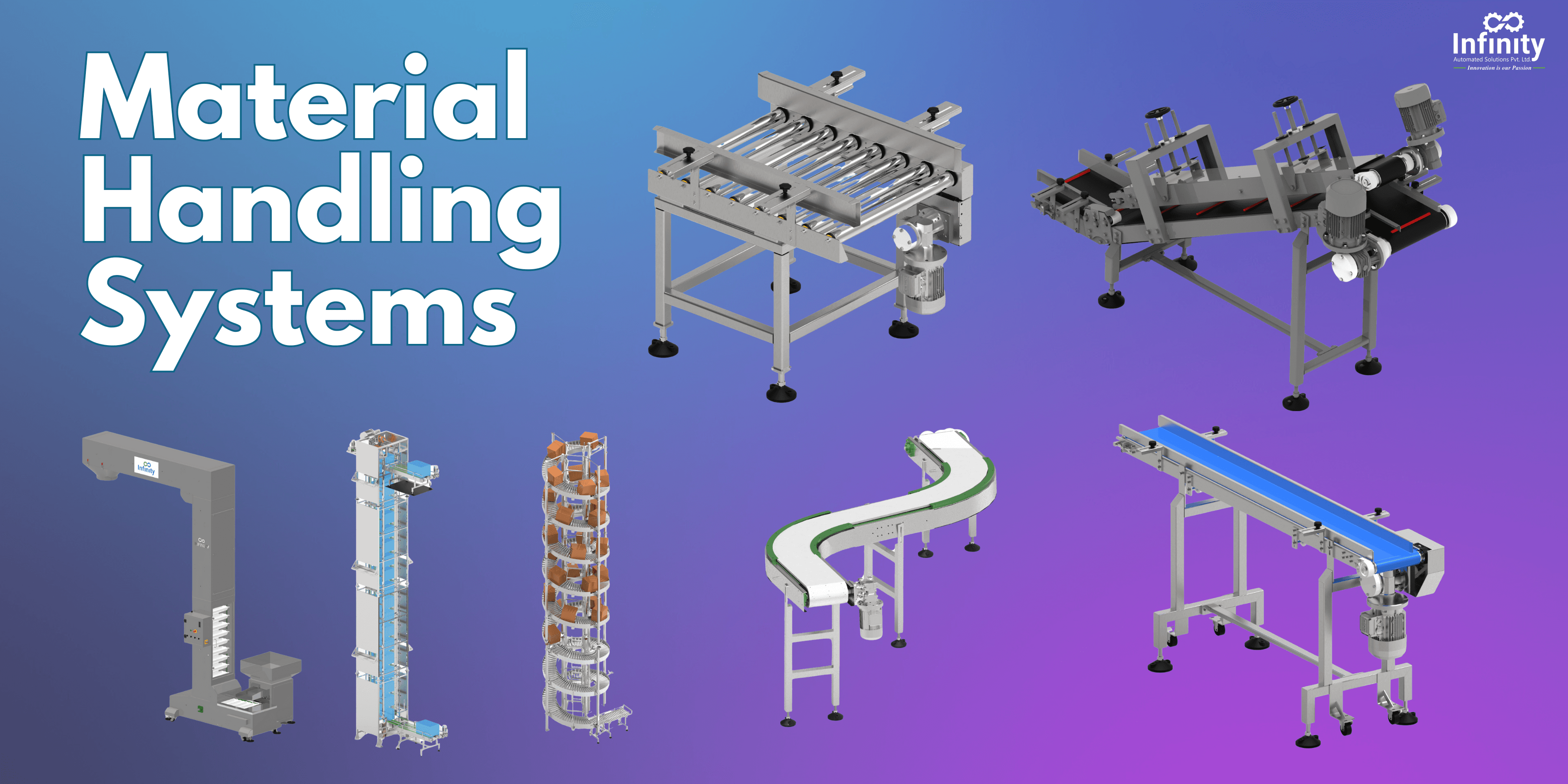
Conveyors and forklifts are no longer the only components of material handling systems in 2026. Today, material handling has become intelligent, automated, and a critical part of manufacturing plants, warehouses, and distribution centers across the world.
As industries grow faster and customer expectations increase for quicker deliveries, material handling systems have become a key factor in operational speed, workplace safety, and overall business success. According to recent market research, the global material handling equipment market is expanding rapidly and is expected to cross USD 7.2 billion by 2035. This growth is driven by automation, e-commerce expansion, and the adoption of smart technologies.
For manufacturers and logistics companies, investing in modern material handling systems is no longer optional. It is a strategic necessity.
What Is a Material Handling System?
A material handling system includes all the equipment, tools, and processes used to move, store, control, and protect materials throughout manufacturing and distribution operations.
This can include conveyor systems, automated storage solutions, robotic systems, palletizers, automated guided vehicles, and integrated control software. These systems ensure smooth product flow from production to Secondary packaging and final dispatch.
A well-designed material handling system reduces manual effort, improves productivity, and ensures safe handling of goods.
Why Material Handling Is Changing in 2026
In the past, material handling simply meant transporting products from one place to another. Today, it has evolved into a smart, data-driven system that improves efficiency and decision-making.
Automation is one of the biggest changes in this field. Companies are adopting smart sensors, robotics, and intelligent control systems to improve accuracy and reduce operational delays. Autonomous Mobile Robots and robotic picking systems are becoming common in warehouses because they can move freely without fixed tracks, avoid obstacles in real time, and improve workflow efficiency while reducing labor dependency.
Modern systems also use real-time data monitoring. Machines now display performance data, helping teams understand when maintenance is required. This predictive approach reduces downtime, prevents unexpected failures, and improves overall equipment life.
Material handling is no longer just physical movement. It is about intelligent management of materials.
The Combined Work of Humans and Machines
Experts agree that the future of industrial management lies in collaboration between humans and machines.
Machines handle repetitive, heavy, and critical tasks with precision and speed. At the same time, humans focus on supervision, complex decision-making, system control, and maintenance. This balance increases productivity and creates new opportunities for skilled technical roles.
Instead of replacing jobs, advanced material handling systems are transforming the nature of work inside factories and warehouses.
Material Handling Growth in Emerging Markets
Material handling systems are rapidly evolving in emerging markets such as India, Thailand, and Africa. As industrial development increases in these regions, companies are investing in automation to improve operational efficiency.
Automated Storage and Retrieval Systems and high-rack warehouses are being adopted to maximize storage space and manage high inventory volumes. Industries like battery manufacturing, electric vehicles, semiconductors, FMCG, and food processing are driving demand for precision handling equipment.
This growth shows that modern material handling systems are not just a global trend but an important part of local industrial transformation.
Sustainability and Green Operations
Sustainability has become a major focus in industrial operations. Material handling systems are now designed with energy efficiency and environmental responsibility in mind.
Electric forklifts, battery-powered automated vehicles, and energy-efficient conveyor systems are replacing traditional fuel-based equipment. Many warehouses are also adopting renewable energy sources and optimized energy management systems.
These eco-friendly solutions help reduce carbon footprints, lower operational costs, and support global sustainability goals. As governments and industries move toward net-zero emission targets, green material handling systems are becoming essential.
The Impact of E-Commerce on Material Handling
The rapid growth of e-commerce has significantly changed warehouse and distribution operations. Customers now expect faster deliveries and accurate order fulfillment.
To meet these expectations, companies are investing heavily in automated sortation systems, high-speed conveyor systems, and smart warehouse management technologies. These systems improve order processing speed and reduce human errors.
For businesses operating in fast-moving industries, advanced material handling solutions ensure they stay competitive and responsive to market demands.
Why Investing in the Right Material Handling System Is Critical
In 2026 and beyond, material handling systems are no longer simple conveyors and forklifts. They are intelligent, connected, and essential to modern supply chains.
Automation, artificial intelligence, IoT integration, and sustainable technologies are driving the next generation of industrial efficiency. Companies that invest in modern material handling systems experience improved productivity, reduced downtime, better safety standards, and long-term cost savings.
Choosing the right solution partner ensures smooth integration with existing operations and supports future business expansion.
Conclusion
Material handling systems have evolved into powerful engines of industrial growth. Smart automation, data-driven insights, and sustainable technologies are shaping the future of manufacturing and logistics.
Businesses that upgrade their material handling infrastructure today are preparing for a faster, safer, and more efficient tomorrow. Investing in the right system is not just an operational decision. It is a strategic move toward long-term success.